
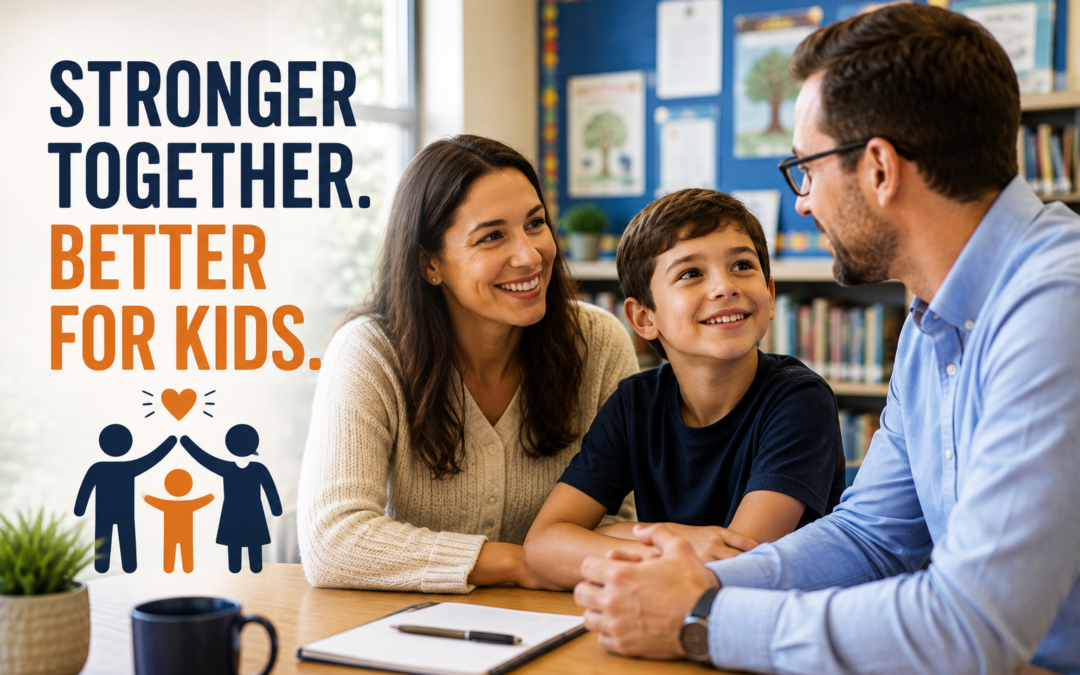
Every child benefits when the important adults in their life work together. While schools provide students with knowledge, opportunities, and guidance throughout the school day, parents continue that growth long after the final bell rings. Neither can fully replace the other. When parents and schools build a strong partnership, students receive consistent encouragement, clearer expectations, and a stronger support system that helps them succeed both academically and personally.
Education has never been solely the responsibility of teachers or families. It has always been a shared effort. Students thrive when they know the people who care about them are communicating, supporting one another, and working toward the same goal. Whether a child is learning to read in elementary school, navigating friendships in middle school, or preparing for graduation in high school, the partnership between home and school plays an important role in shaping their experience.
Strong partnerships don’t require perfection. They require trust, communication, and a shared commitment to helping students become confident, capable, and compassionate young adults.
Students Benefit From Consistency
Children and teenagers receive messages from many different places every day. They hear advice from teachers, parents, coaches, friends, and social media. When those messages consistently reinforce positive values, students are more likely to understand what is expected of them and apply those lessons in their daily lives.
Imagine a student learning about kindness, responsibility, and perseverance at school while hearing those same values reinforced at home. Those lessons become much more powerful because they are supported by multiple trusted adults.
Consistency also helps students navigate challenges. Whether they are struggling academically, experiencing friendship issues, or facing personal obstacles, knowing that parents and educators are working together creates a greater sense of stability and confidence.
Communication Builds Trust
One of the strongest foundations of any partnership is communication. Parents want to know how their children are doing, and educators want families to understand both successes and challenges taking place at school.
Communication does not always need to happen because something has gone wrong. Some of the most meaningful conversations occur when teachers share positive moments, celebrate growth, or simply recognize a student’s effort.
Likewise, parents provide valuable insight that helps educators better understand their students. They often know what motivates their child, what causes stress, and what experiences outside of school may be affecting classroom behavior or academic performance.
When communication becomes a regular part of the relationship instead of only happening during difficult situations, trust naturally grows.
Every Student Has a Team
Students are more confident when they know they have people in their corner.
When parents and educators work together, students understand they are surrounded by adults who genuinely want them to succeed. That support system encourages students to ask questions, seek help when needed, and feel comfortable discussing challenges before they become overwhelming.
This team approach also helps students recognize that success is not something they have to achieve alone. There are people willing to encourage them, guide them, and celebrate their progress every step of the way.
Knowing they have that support often gives students the confidence to overcome obstacles they might otherwise face by themselves.
Strong Partnerships Improve Student Behavior
Positive behavior develops most effectively when students receive consistent expectations at both school and home.
When educators and parents communicate openly, they can reinforce similar values regarding respect, responsibility, honesty, and accountability. Students begin recognizing that these expectations are not limited to one environment but are important in every part of life.
This consistency also allows adults to address challenges more effectively. Rather than working independently, parents and educators can collaborate on solutions that help students learn from mistakes while continuing to grow.
The goal is never simply correcting behavior. It is helping students develop the character and decision-making skills they will carry into adulthood.
Parents Know Their Children Best
Teachers spend countless hours with students throughout the school year, but parents have a unique perspective that cannot be replaced.
Families understand their child’s personality, interests, fears, strengths, and experiences in ways that help educators better support individual needs.
Sharing these insights allows teachers to build stronger relationships with students while creating learning environments where children feel understood.
Likewise, educators often notice strengths that parents may not have the opportunity to see. A student who quietly helps classmates, demonstrates leadership during group activities, or excels in creative problem-solving may reveal talents that deserve recognition both at school and at home.
Working together creates a more complete picture of each student’s growth.
Educators Bring Valuable Experience
Teachers and school staff dedicate their careers to helping students learn and develop. They understand child development, classroom instruction, and strategies that help students succeed academically and socially.
Parents bring invaluable knowledge about their own child, while educators contribute professional experience working with hundreds of students across many different situations.
Rather than viewing these perspectives as separate, successful partnerships recognize that both are valuable.
When families and educators respect one another’s expertise, students benefit from a stronger and more balanced support system.
Supporting Students Beyond Academics
Success is about much more than grades.
Schools today help students develop leadership, communication, empathy, resilience, problem-solving, and emotional intelligence alongside traditional academic subjects.
Parents continue reinforcing these skills through everyday conversations and experiences at home.
When schools and families intentionally encourage these life skills together, students become better prepared for challenges they will face throughout adulthood.
Helping students become kind, responsible, and confident individuals is a shared responsibility.
Navigating Challenges Together
Every student encounters setbacks during their educational journey. Some struggle academically. Others experience friendship conflicts, anxiety, family changes, or uncertainty about their future.
These moments often become opportunities for partnership.
Instead of assigning blame, strong school-family relationships focus on finding solutions together. Honest conversations help identify what students need while creating plans that support both their academic and emotional well-being.
Students notice when the adults in their lives approach challenges with teamwork instead of conflict.
That example teaches valuable lessons about communication, respect, and collaboration.
Building Confidence Through Encouragement
Every student needs encouragement from trusted adults.
Sometimes that encouragement comes from a teacher recognizing improvement in the classroom. Other times it comes from a parent celebrating persistence after a difficult assignment.
When students receive support from both school and home, they begin believing in themselves more consistently.
Confidence grows through repeated experiences where students feel capable, supported, and valued.
Parents and educators both play an important role in creating those experiences.
Every Family Can Be Involved
Partnership does not look the same for every family.
Some parents volunteer regularly at school. Others support learning through conversations at the dinner table, helping with homework, attending school events, or simply asking about their child’s day.
Busy work schedules, transportation challenges, and family responsibilities can make involvement look different from one household to another.
The important thing is not the number of hours spent at school but the willingness to stay connected and engaged in a child’s education.
Small, consistent efforts often have a greater impact than occasional large ones.
Schools Become Stronger Communities
When parents and educators work together, schools become more than buildings where students attend classes.
They become communities.
Students notice when adults support one another, communicate respectfully, and share common goals. That sense of unity creates an environment where students feel safe, connected, and encouraged to contribute in positive ways.
Strong partnerships also strengthen relationships between families themselves, creating networks of support that extend beyond individual classrooms.
A connected school community benefits everyone involved.
Working Together for Every Student
Every child deserves adults who believe in them.
Parents and schools each bring unique strengths, perspectives, and experiences that help students grow into capable young adults. Neither group has all the answers on its own, but together they create opportunities that would be difficult to achieve separately.
The strongest partnerships are built on trust, communication, respect, and a shared commitment to helping students succeed.
When parents and educators work as partners instead of separate groups, students gain more than academic knowledge. They gain confidence, belonging, encouragement, and the understanding that they are surrounded by people who genuinely care about their future.
Those relationships often become some of the most powerful lessons students learn during their years in school.
Frequently Asked Questions
Why is it important for parents and schools to work together?
When parents and schools work together, students receive consistent support, encouragement, and expectations. Strong partnerships help students feel more confident, stay engaged in learning, and develop both academically and personally.
How does parent involvement affect student success?
Students whose parents are involved in their education often have better attendance, stronger academic performance, improved behavior, and greater confidence. Even small acts of involvement can make a meaningful difference.
What are some simple ways parents can support their child’s school?
Parents can support their child’s education by communicating with teachers, asking about their school day, encouraging good study habits, attending school events when possible, and reinforcing positive values at home.
How can teachers build stronger relationships with parents?
Teachers can build trust by communicating regularly, sharing both successes and challenges, listening to parent concerns, and creating an open, welcoming environment where families feel like valued partners.
What should parents do if their child is struggling at school?
The best first step is to communicate with the child’s teacher or school staff. Working together allows parents and educators to better understand the situation and create a plan that supports the student’s academic, social, and emotional needs.
Can parent-school partnerships improve student behavior?
Yes. When parents and educators communicate regularly and reinforce similar expectations for respect, responsibility, and accountability, students are more likely to make positive choices both inside and outside the classroom.
Why is communication between parents and teachers so important?
Open communication helps everyone stay informed about a student’s progress, strengths, and challenges. It also builds trust and creates opportunities to address concerns before they become larger problems.
What if parents don’t have time to volunteer at school?
Being involved doesn’t require volunteering on campus. Reading with your child, talking about school, encouraging learning at home, and staying in touch with teachers are all valuable ways to support your child’s education.
How do strong parent-school partnerships benefit school culture?
When families and educators work together, schools become more connected communities. Students see adults collaborating, supporting one another, and working toward shared goals, creating a more positive, welcoming, and successful learning environment.
How can schools encourage more parent involvement?
Schools can encourage involvement by communicating consistently, making families feel welcome, offering flexible opportunities to participate, celebrating student successes, and recognizing that every family’s ability to participate may look different.

President & CEO, TEEN TRUTH